The Hidden Signs a Tree Is Failing from the Inside Out (Before It Looks Sick)
April 28, 2026
Trees are often perceived as resilient, self-sustaining elements of the landscape, capable of withstanding environmental stress, seasonal change, and age. However, beneath a seemingly healthy exterior, internal deterioration can quietly progress without obvious warning signs. By the time visible symptoms such as leaf loss, dieback, or bark damage appear, the structural integrity of the tree may already be compromised. This hidden decline presents serious risks not only to the tree’s longevity but also to surrounding property, infrastructure, and personal safety. In many cases, unnoticed internal failure contributes to sudden tree collapse, particularly during storms or high winds. These risks highlight the importance of early awareness and consistent monitoring.
Understanding the early, less visible indicators of internal tree failure is essential for proactive tree care and risk management. Property owners, landscapers, and industry professionals must recognize that a tree’s outward appearance does not always reflect its internal condition. Subtle changes in growth patterns, trunk stability, and root health often provide the first clues of deeper issues. Identifying these signs early allows for timely intervention, preservation when possible, and safe removal when necessary. This knowledge is a critical component of responsible landscape management and long-term environmental stewardship. A proactive approach not only enhances safety but also supports healthier, longer-lasting landscapes. Regular inspections and informed decision-making play a vital role in minimizing long-term risks.
1. Internal Decay: The Silent Structural Threat
Early Stages of Heartwood Deterioration
Internal decay often begins in the heartwood, where fungi infiltrate through wounds, pruning cuts, or root damage. Unlike surface-level issues, this decay progresses inward, gradually weakening the tree’s core structure. Because the outer layers may remain intact, the tree can appear healthy while its internal support system deteriorates over time unnoticed.
Subtle Indicators Before Visible Damage
One of the earliest signs of internal decay is the presence of fungal fruiting bodies, such as conks or mushrooms, growing near the base or along the trunk. These structures indicate that decay organisms are actively breaking down wood fibers inside the tree, signaling internal deterioration before obvious external damage appears on the surface.
Real-World Risk Scenario
A tree with internal decay may withstand normal conditions but fail suddenly during storms or high winds. This unpredictability makes early detection essential for preventing property damage or injury. Routine inspections and professional assessments can identify decay early, helping reduce the risk of unexpected collapse and ensuring safer outdoor environments around residential and commercial properties.
2. Root System Compromise
Hidden Instability Below Ground
The root system is fundamental to a tree’s stability and nutrient absorption. Damage to roots, whether from construction, soil compaction, or overwatering, can severely impact the tree’s ability to anchor itself and sustain healthy growth. Since roots are underground, these problems often remain hidden until visible signs like leaning or canopy decline begin to emerge.
Warning Signs at Ground Level
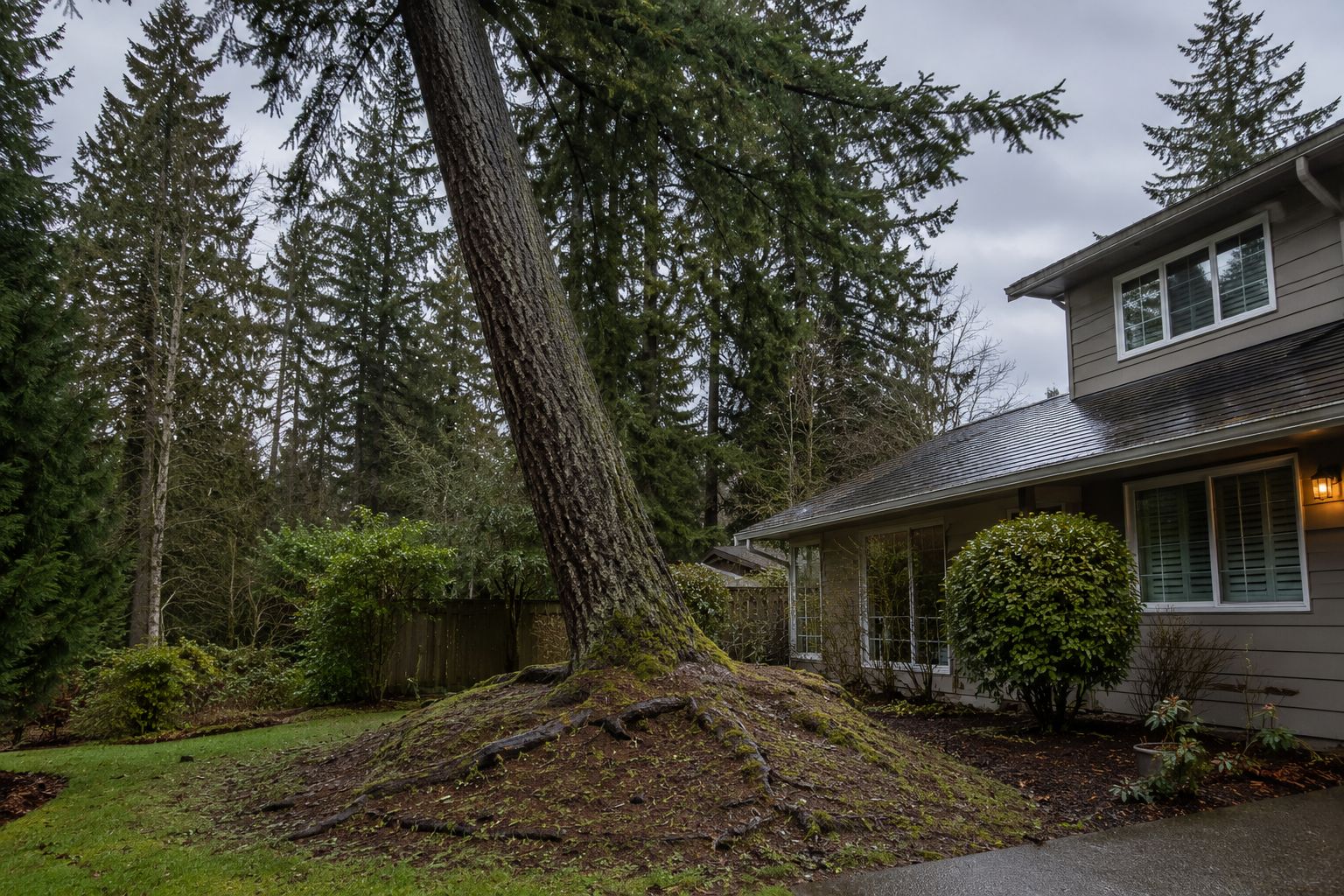
Subtle indicators of root issues include soil heaving around the base, exposed roots, or fungal growth near the root flare. A slight but increasing lean, especially when accompanied by cracked soil, suggests weakening anchorage. Reduced leaf density or uneven canopy growth may also reflect impaired nutrient uptake caused by underlying root system damage.
Best Practices for Prevention
Avoiding heavy machinery near root zones, maintaining proper soil aeration, and ensuring balanced irrigation can help preserve root health effectively. Early intervention strategies, including soil conditioning or root pruning, may stabilize compromised trees before issues worsen. Consistent monitoring of surrounding soil conditions also plays an essential role in preventing long-term structural instability and decline.
3. Abnormal Growth Patterns
Epicormic Sprouting as a Stress Response
The sudden appearance of shoots along the trunk or main branches, known as epicormic growth, is a common sign of stress. While it may appear as vigorous new growth, it usually indicates that the tree is struggling internally and attempting to compensate for declining health by activating dormant buds as a survival mechanism response.
Interpreting Growth Signals
Not all growth changes indicate failure, but when combined with other subtle signs, they can point to deeper issues. Monitoring seasonal patterns and comparing growth year over year helps identify abnormalities. Recognizing these deviations early allows for informed decisions, ensuring proper care strategies are applied before internal damage significantly impacts the tree’s overall structural integrity.
4. Bark and Trunk Irregularities
External Clues to Internal Problems
The bark serves as a protective layer, but changes in its condition can reveal internal issues developing beneath the surface. Cracks, seams, or missing bark areas may indicate structural stress or internal decay pushing outward. These irregularities often act as early warning signs that deeper problems are compromising the tree’s strength and long-term stability.
Vertical Cracks and Included Bark
Vertical splits in the trunk or large branches can significantly compromise structural integrity, particularly when extending deep into the wood. Included bark, where bark becomes trapped between branches, creates weak attachment points. These structural flaws increase the likelihood of branch failure, especially under environmental stress such as wind, heavy rain, or additional weight loads.
Soundness Testing and Inspection
Simple techniques such as tapping the trunk to detect hollow sounds or observing sap leakage can provide useful clues about internal health conditions. However, advanced diagnostic methods like resistograph testing or sonic tomography offer more precise insights. These tools help evaluate internal wood density and detect hidden decay, improving accuracy in tree health assessments significantly.
5. Reduced Vigor Without Obvious Cause
Decline in Overall Health
A tree that gradually loses vigor without visible pests or disease may be experiencing internal failure. Common symptoms include smaller leaves, reduced flowering, and slower growth rates. These changes often develop over multiple seasons, making them easy to overlook, yet they can indicate serious underlying structural or physiological problems affecting long-term tree vitality.
Nutrient and Water Transport Issues
Internal decay or vascular damage can disrupt the tree’s ability to transport water and nutrients effectively throughout its structure. Even when soil conditions are adequate, the tree may struggle to sustain healthy growth. This disruption leads to gradual decline, weakened defense mechanisms, and increased vulnerability to environmental stressors and secondary infections over time.
Monitoring and Maintenance Strategies
Regular fertilization, proper watering, and soil testing can support overall tree health, but these efforts may not resolve internal structural problems. Professional evaluation becomes essential when unexplained decline persists. Early diagnosis allows for targeted interventions, helping preserve tree stability where possible or guiding safe removal decisions to prevent potential hazards in surrounding areas.
6. Environmental and Mechanical Stress Factors
Impact of External Forces
Environmental conditions such as drought, flooding, and extreme temperatures can weaken trees internally over time. Mechanical damage from storms, vehicles, or improper pruning creates entry points for decay organisms. These external stressors compromise the tree’s natural defenses, making it more susceptible to internal deterioration and reducing its ability to maintain structural strength and stability.
Compounding Effects Over Time
Stress factors rarely occur in isolation. A tree weakened by drought may become more vulnerable to fungal infections, accelerating internal decay. Similarly, repeated minor injuries can gradually compromise structural integrity. Over time, these combined effects weaken the tree significantly, increasing the risk of failure even under normal environmental conditions without obvious warning signs.
Proactive Risk Management
Implementing protective measures such as proper pruning techniques, soil management, and controlled irrigation reduces the likelihood of internal failure. Regular inspections, particularly after severe weather events, help identify damage early. Taking proactive steps ensures that minor issues are addressed before escalating, supporting long-term tree health and minimizing risks associated with hidden structural weaknesses.
Expert Tree Assessment Backed by Proven Experience
Hidden internal tree failure presents a significant challenge in landscape management because the most dangerous issues are often the least visible. While trees may appear outwardly healthy, subtle indicators such as fungal growth, irregular canopy patterns, root instability, and trunk abnormalities can reveal deeper structural concerns. Recognizing these early warning signs allows for informed decision-making, whether the goal is preservation, treatment, or safe removal. Proactive monitoring, combined with professional evaluation, plays a crucial role in preventing unexpected tree failure and protecting both property and people.
Understanding tree health beyond surface appearance is essential for long-term sustainability and safety. Internal decay, root damage, and environmental stressors all contribute to a gradual decline that may not be immediately apparent. By prioritizing regular inspections and addressing issues early, risks can be minimized and the lifespan of healthy trees can be extended.
At Ivan's Tree Removal Services, we bring 30
years of experience in professional tree care, delivering reliable and informed solutions for every situation. Based in Covington, Washington, we specialize in identifying hidden structural issues before they become hazardous. Our approach focuses on safety, precision, and long-term value, ensuring every tree is properly assessed and managed. Whether addressing internal decay, root instability, or potential failure risks, we provide expert guidance and dependable service you can trust.