When to Prune Trees: Best and Worst Times for Healthy Growth
April 11, 2026
If you have ever stood in your yard with pruners in hand, you have likely wondered when to prune trees.
Cut too soon and you risk weak growth.
Cut too late and you may reduce flowers, fruit, or overall health.
Knowing when to prune trees is one of the most important parts of tree care. The right timing supports healing, structure, and long term growth. The wrong timing can invite disease, stress, and decay.
This guide explains the best time to prune trees, the worst time to prune trees, and practical tree pruning tips you can use for shade trees, ornamentals, and fruit trees.
Why Timing Matters More Than You Think
Every pruning cut creates a wound. Trees do not heal the way we do. They seal off damaged areas slowly over time.
Season affects:
- How quickly wounds close
- How vulnerable the tree is to pests
- Flower and fruit production
- Overall structure and stability
Understanding seasonal tree pruning helps you work with the tree’s natural cycle, not against it.
The Best Time to Prune Trees for Strong Growth
For many species, the best time to prune trees is during late winter or very early spring. This is when trees are dormant.
During dormancy:
- Leaves are gone, so structure is easier to see
- Insects and fungi are less active
- New spring growth will quickly seal pruning cuts
- Energy is stored in the roots, ready to support new growth
- This timing works well for many shade trees and ornamental trees in Auburn, WA.
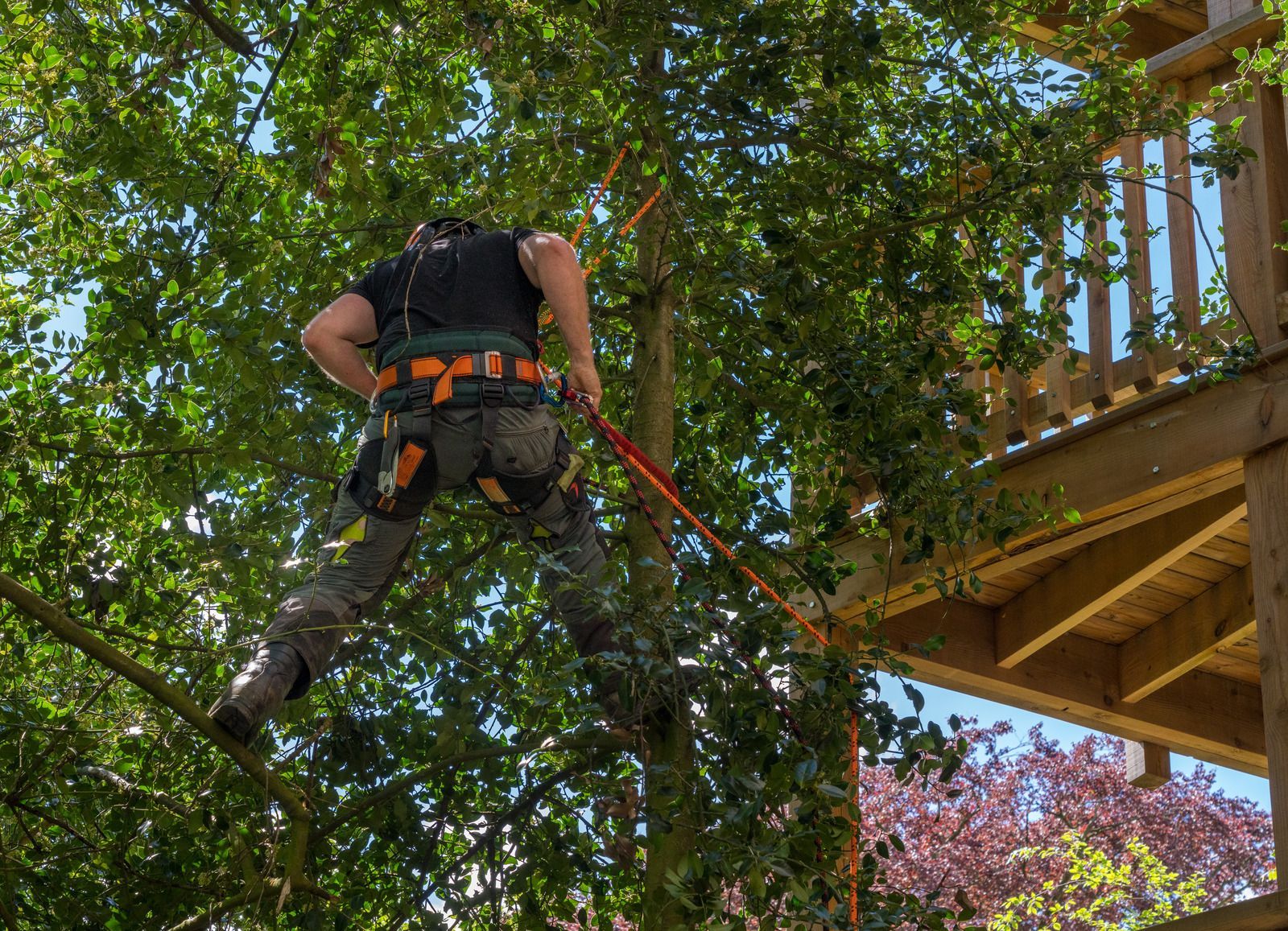
If you are unsure about structure or risk, a professional evaluation through our Tree Pruning services or Tree Health Assessment Services can help you decide safely.
Seasonal Tree Pruning Breakdown
Different seasons serve different purposes. Here is how seasonal tree pruning typically works.
Winter Pruning
Late winter is ideal for structural pruning.
You can remove:
- Crossing branches
- Weak limbs
- Dead or damaged wood
This encourages strong spring growth. It is also a good time to shape young trees.
Spring Pruning
Early spring pruning is fine for minor adjustments.
However, avoid heavy pruning once leaves are fully open. The tree is using energy for growth.
Summer Pruning
Summer pruning slows growth. It can help control size and shape.
It is often used for:
- Light canopy thinning
- Removing water sprouts
- Managing fast growing species
If a branch becomes hazardous during summer, timely removal is important. In urgent cases, Emergency Tree Removal may be necessary.
Fall Pruning
Fall is often the worst time to prune trees.
Why?
- Fungi are active
- Healing slows down
- Fresh cuts stay exposed longer
Unless there is a safety concern, avoid heavy pruning in fall.
The Worst Time to Prune Trees
The worst time to prune trees depends on species, but there are general rules.
Avoid pruning:
- During active fall fungal season
- During extreme heat or drought
- Right before a hard freeze
- During peak sap flow for certain species
Oak trees, for example, are vulnerable to disease during certain seasons. Improper timing can cause serious issues.
If you notice cracked limbs, decay, or unstable branches, a Tree Risk Assessment can determine whether immediate action is needed.
When to Prune Trees for Flowering Varieties
Flowering trees require special timing.
Spring Bloomers
Trees like cherry or dogwood bloom on old wood.
Prune them right after flowering ends. If you prune in winter, you remove next season’s buds.
Summer Bloomers
Trees that bloom in summer often flower on new growth.
These can usually be pruned in late winter without affecting blooms.
Knowing when to prune trees for flowering types protects the display you wait all year to see.
When to Prune Trees for Fruit Production
Fruit trees require precision. Timing affects both yield and fruit size.
In most cases, the best time to prune trees grown for fruit is late winter while dormant.
Proper fruit tree pruning:
- Improves sunlight penetration
- Increases air flow
- Reduces disease
- Encourages larger fruit
If done incorrectly, you may reduce harvest.
Our Fruit Tree Pruning service focuses on proper structure and production cycles to support consistent yields.
How to Prune Trees the Right Way
Knowing when to prune trees is only half the equation. You must also know how to prune trees properly.
Here are essential tree pruning tips:
1. Remove Dead, Diseased, or Damaged Wood First
This improves safety and prevents decay from spreading.
2. Cut at the Branch Collar
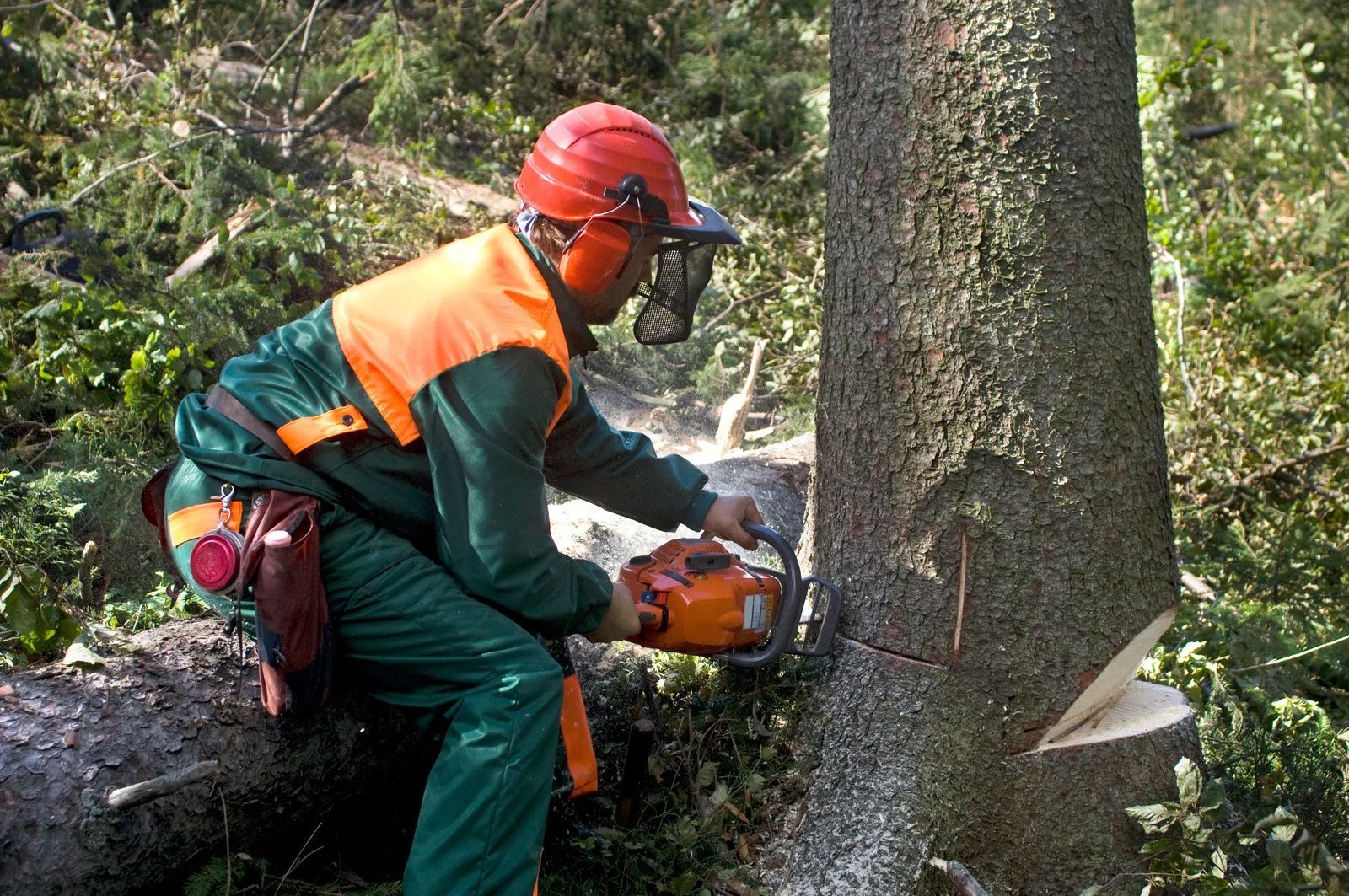
Never cut flush against the trunk. The branch collar helps the tree seal the wound.
3. Avoid Topping
Topping creates weak regrowth and structural problems. Proper reduction cuts maintain strength.
4. Do Not Remove Too Much
Never remove more than 25 percent of the canopy in one season.
5. Use Clean, Sharp Tools
Clean tools reduce disease spread.
If large limbs are involved, Tree Removal or controlled dismantling may be safer than attempting large cuts alone.
Pruning for Shape vs Pruning for Health
Not all pruning has the same goal.
Pruning for Shape
This focuses on appearance and structure.
Common for:
- Ornamental trees
- Yard focal points
- Young trees in training
Pruning for Health
This focuses on safety and longevity.
It includes:
- Removing weak branch unions
- Correcting co dominant stems
- Eliminating hazardous limbs
For trees with structural weakness, Tree Cabling and Bracing may provide added support instead of removal.
Understanding the difference helps you decide when to prune trees and why you are pruning in the first place.
Signs It Is Time to Prune
Even if you know generally when to prune trees, specific signs indicate action is needed.
Watch for:
- Dead branches
- Cracked or split limbs
- Branches rubbing together
- Dense canopy blocking light
- Limbs hanging over roofs or driveways
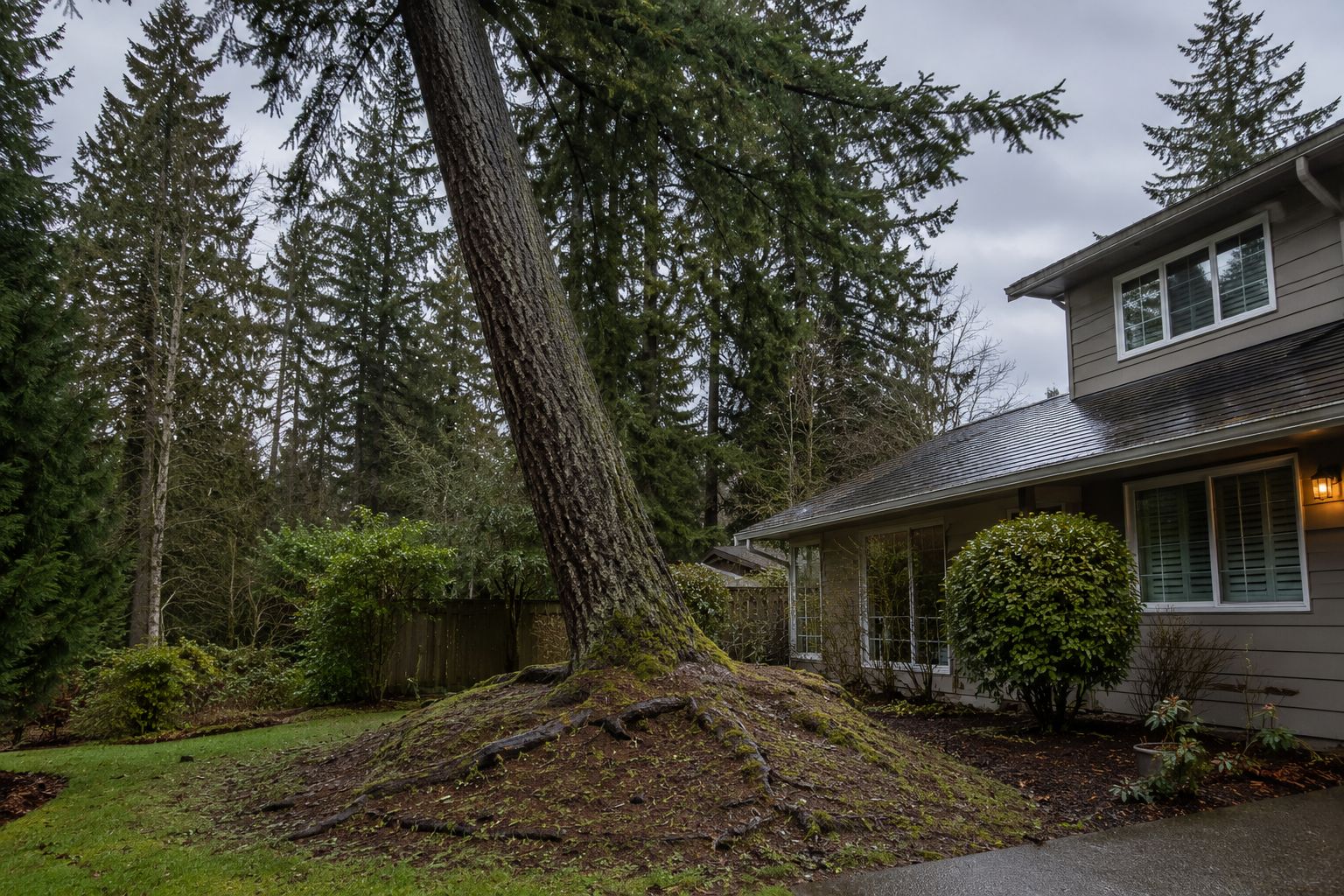
If a tree leans suddenly or drops large limbs after a storm, immediate Emergency Tree Removal may be necessary.
Common Pruning Mistakes to Avoid
Mistakes can create long term problems.
Avoid:
- Pruning in fall without reason
- Topping trees
- Leaving stubs
- Removing too much at once
- Ignoring large structural defects
Poor pruning can weaken a tree and increase risk. When safety is involved, it is smart to schedule a Tree Health Assessment before making major cuts.
Special Considerations for Auburn, WA
Climate matters. In Auburn, WA, wet conditions can increase fungal activity in certain seasons.
This makes timing even more important.
Understanding when to prune trees locally helps reduce disease pressure and storm damage risk. Heavy rain and wind can expose weak limbs, so structural pruning during dormancy is often a smart approach.
Final Thoughts on When to Prune Trees
Knowing when to prune trees protects your investment and supports long term health. In most cases, late winter dormancy is ideal. Fall is often the worst time to prune trees unless safety demands it. Seasonal tree pruning should match the species, the goal, and local conditions.
If you are unsure when to prune trees, or how to prune trees safely, it is better to pause than make the wrong cut. Timing, structure, and technique all matter.
How We Can Help
At Ivan's Tree Removal Services, we help homeowners and property managers in Auburn, WA make smart decisions about pruning. With over 30 years of experience, ISA and TCIA membership, and a certified arborist on staff, we focus on safe structure, proper timing, and reliable service. Whether you need Tree Pruning, Fruit Tree Pruning, Tree Risk Assessment, or full Tree Removal, we work hard to meet your needs and do more in the same amount of time. Call 253-232-3377 for your Free Quote and ask about our 10 percent discount for seniors, veterans, military, teachers, and first responders.