Tree Removal vs. Preservation: A Decision Framework for Borderline Cases
May 21, 2026
Tree management decisions rarely fall into simple categories of removal or preservation. In many real-world cases, trees exist in a borderline condition where structural integrity, environmental value, safety risks, and long-term sustainability must all be evaluated together. These situations demand more than visual inspection or instinct; they require a structured decision framework that balances safety priorities with ecological responsibility and property goals. As urban landscapes expand and mature trees become integral to both aesthetics and environmental health, making the right call becomes increasingly critical for homeowners, property managers, and land developers.
Borderline cases often involve trees with partial decay, leaning trunks, root disturbances, or proximity to structures. These conditions do not automatically justify removal, yet preservation without assessment may introduce hidden risks. A balanced evaluation approach helps determine whether corrective intervention can extend the life of a tree or whether removal is the safer, more practical option. This blog explores a structured framework designed to guide decision-making in such complex scenarios, focusing on risk indicators, preservation value, and mitigation strategies that support informed, responsible outcomes.
Understanding Borderline Tree Conditions
Structural Uncertainty and Visual Misleading Signs
Borderline trees often appear stable at first glance while concealing internal weaknesses. External bark conditions, canopy density, or seasonal foliage can mask decay, hollow trunks, or compromised root systems. This creates a false sense of security, especially in mature trees that have adapted visually to their environment over time.
Hidden Root and Trunk Complications
Root plate instability is one of the most overlooked issues in borderline cases. Soil movement, construction activity, or water drainage changes can weaken anchoring systems beneath the surface. Similarly, internal trunk decay caused by fungi or pests may not show visible symptoms until significant damage has occurred. These hidden factors require careful evaluation using professional inspection methods rather than surface-level observation.
Environmental and Site-Specific Stressors
Environmental pressure plays a major role in tree stability. High wind exposure, compact soil conditions, or nearby structural load changes can push a borderline tree toward failure. Trees located near buildings, driveways, or utility lines require additional scrutiny because the consequences of failure extend beyond biological loss to safety hazards and property damage.
Importance of Context-Based Assessment
No two borderline cases are identical. A tree that appears risky in one location may be stable in another, depending on soil health, space availability, and surrounding ecosystem support. This variability makes standardized judgment insufficient, reinforcing the need for structured evaluation methods.
Preservation Value and Ecological Assessment
Environmental Contribution and Ecosystem Stability
Mature trees contribute significantly to oxygen production, carbon absorption, and temperature regulation. In borderline cases, preservation value becomes a critical factor because replacing a mature tree takes decades of ecological recovery. The canopy also supports bird habitats and beneficial insect populations, creating a micro-ecosystem that cannot be quickly replicated.
Aesthetic and Property Value Influence
Trees enhance visual appeal and often increase property value when healthy and well-positioned. Even partially compromised trees may retain significant landscape value if structural risks are manageable. Preservation decisions often consider how removal would alter shading, privacy, and overall land character.
Historical and Sentimental Importance
Some trees hold historical or emotional significance within a property or community. In such cases, preservation efforts may include additional reinforcement measures or treatment plans to extend lifespan. These factors, while not structural, influence long-term decision priorities.
Health Recovery Potential
Certain borderline trees can recover through corrective pruning, pest treatment, or soil rehabilitation. Understanding regenerative capacity is essential before making irreversible removal decisions. A structured evaluation helps identify whether recovery is realistically achievable within a safe timeframe.
Risk Indicators That Support Removal Decisions
Severe Leaning and Root Failure
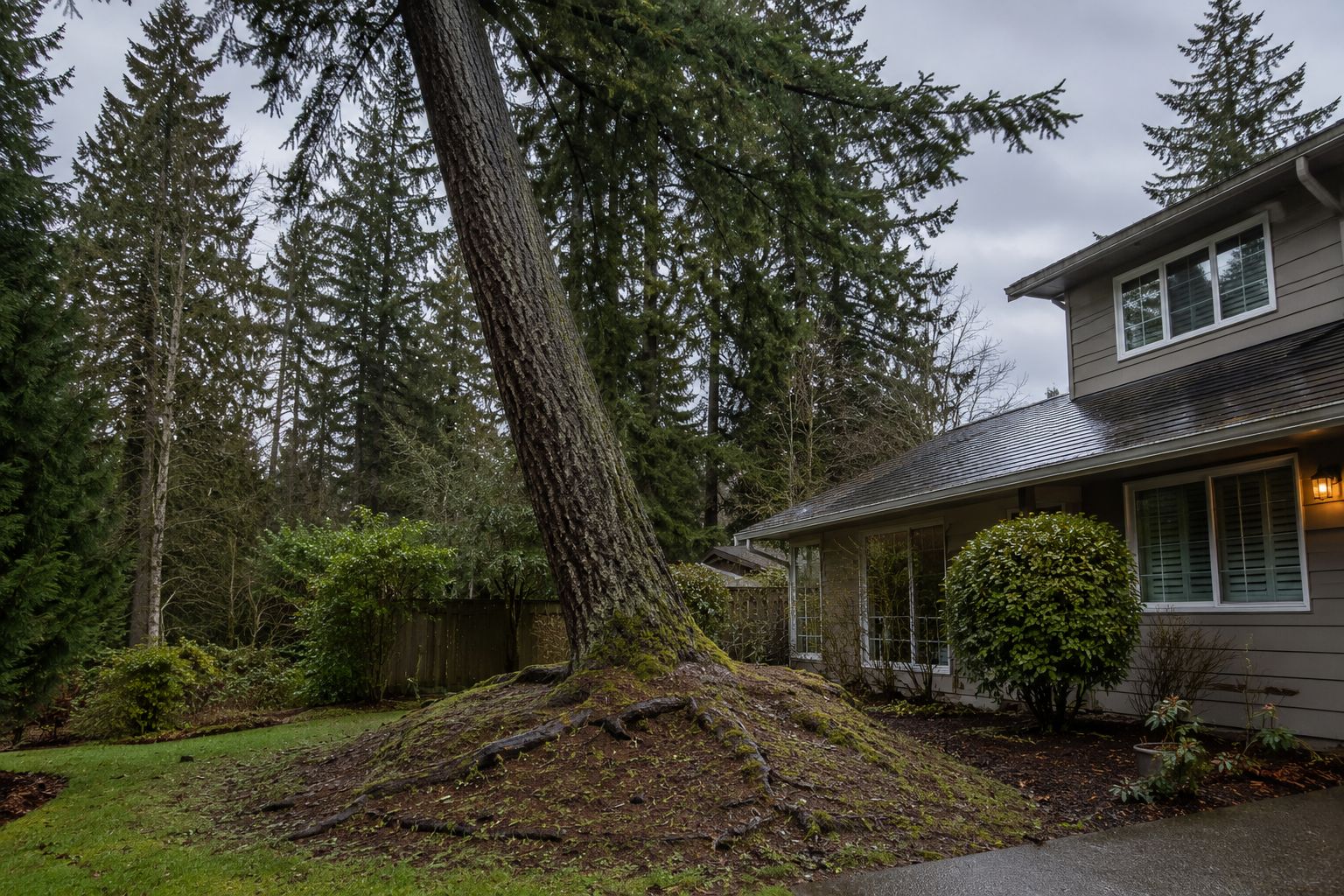
A noticeable lean combined with soil uplift or exposed roots suggests compromised anchoring. This condition becomes especially dangerous in saturated soil environments where stability further decreases. Trees in this state may fail suddenly without visible warning, even under moderate weather conditions or light external pressure.
Proximity Hazards to Infrastructure
Trees positioned close to buildings, power lines, or high-traffic areas present elevated risk levels when structural integrity is uncertain. Even moderate failure potential becomes unacceptable when public safety is involved, particularly in densely used residential or commercial environments with constant exposure.
Disease Progression Beyond Recovery
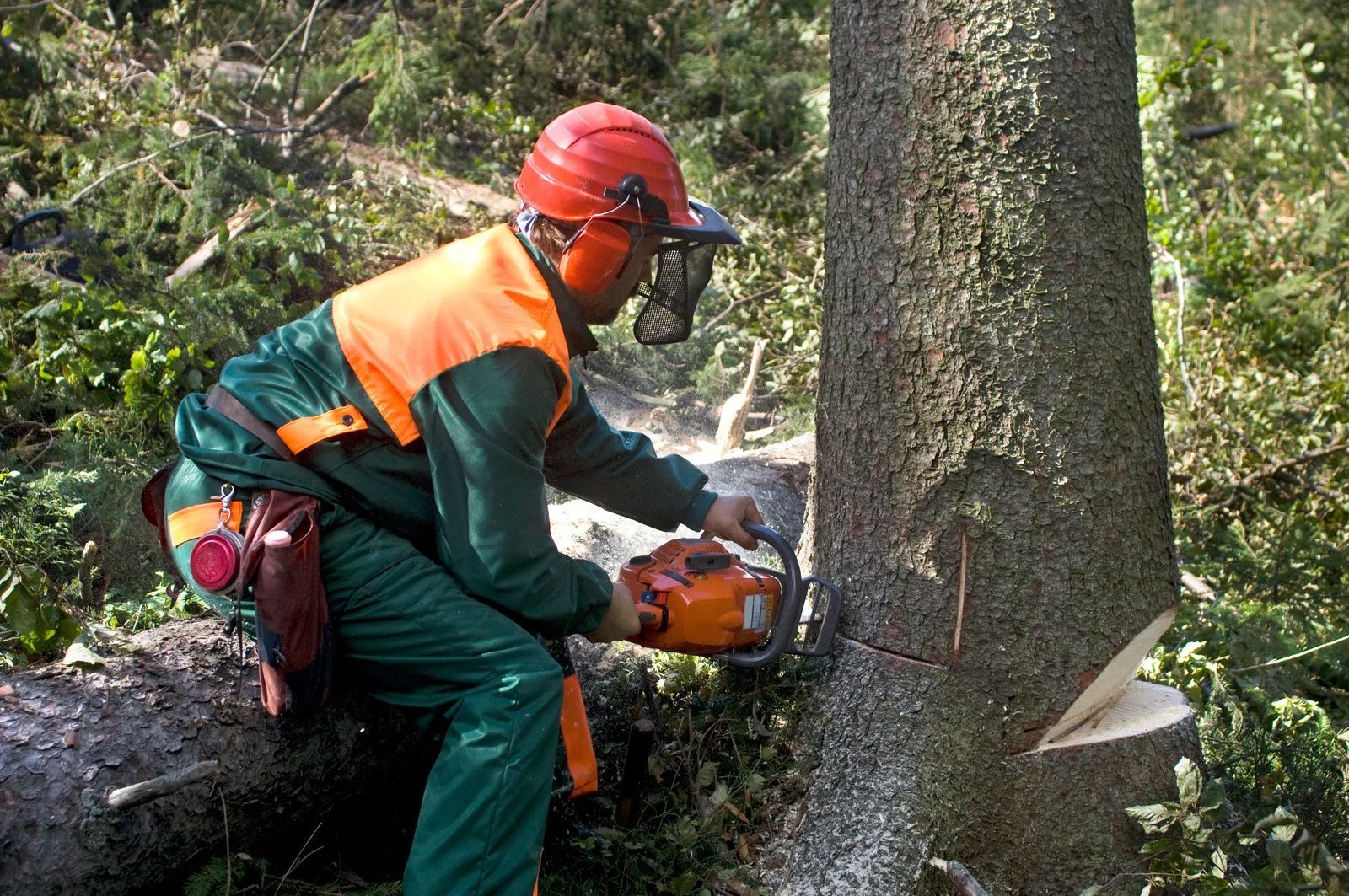
Fungal infections, pest infestations, or vascular diseases that have progressed beyond treatment thresholds reduce the effectiveness of preservation strategies. In such cases, continued decline becomes unavoidable, making removal a safer long-term option for preventing spread to nearby vegetation and maintaining landscape safety.
Repeated Failure History
Trees that have undergone multiple structural failures, such as large limb drops or recurring splitting, often indicate systemic weakness. Repeated intervention without improvement signals diminishing returns from preservation efforts, increasing long-term maintenance costs and escalating unpredictable safety risks significantly.
Decision Framework for Borderline Tree Evaluation
Step 1: Comprehensive Structural Inspection
A detailed assessment begins with examining trunk integrity, canopy distribution, root exposure, and soil condition. Internal diagnostics such as resistograph testing or sonic evaluation may be used to detect hidden decay. Environmental stress factors and site history are also reviewed to ensure complete structural understanding before decisions are made.
Step 2: Risk Versus Value Comparison
This stage weighs safety risks against ecological and aesthetic value. A tree with moderate risk but high environmental importance may justify preservation with corrective action, while low-value trees with similar risk may lean toward removal depending on surrounding hazard exposure and long-term maintenance feasibility requirements.
Step 3: Failure Probability Analysis
We assess the likelihood of structural failure under normal and extreme conditions. Weather exposure, seasonal stress, and surrounding environmental pressures are included in this analysis. Historical performance during storms and structural response patterns also contribute to determining overall failure probability ranges.
Step 4: Intervention Feasibility Review
Not all risks require removal. Some trees can be stabilized through cabling, pruning, or soil improvement. We evaluate whether interventions can realistically restore safety without compromising long-term health, while also considering maintenance demands, cost efficiency, and expected structural longevity after treatment applications.
Step 5: Long-Term Impact Projection
Final decisions consider future growth, maintenance requirements, and environmental sustainability. A tree that may survive today but decline rapidly within a short period may not justify continued preservation efforts. Anticipated land use changes and surrounding development pressures are also factored into projections.
Best Practices for Managing Borderline Trees
Preventive Maintenance and Early Detection
Routine inspections help identify structural issues before they escalate. Early detection allows for corrective measures that extend tree lifespan while minimizing safety risks across varying seasonal conditions. Consistent monitoring schedules also help track subtle changes in growth patterns and structural stability over time.
Strategic Pruning and Weight Reduction
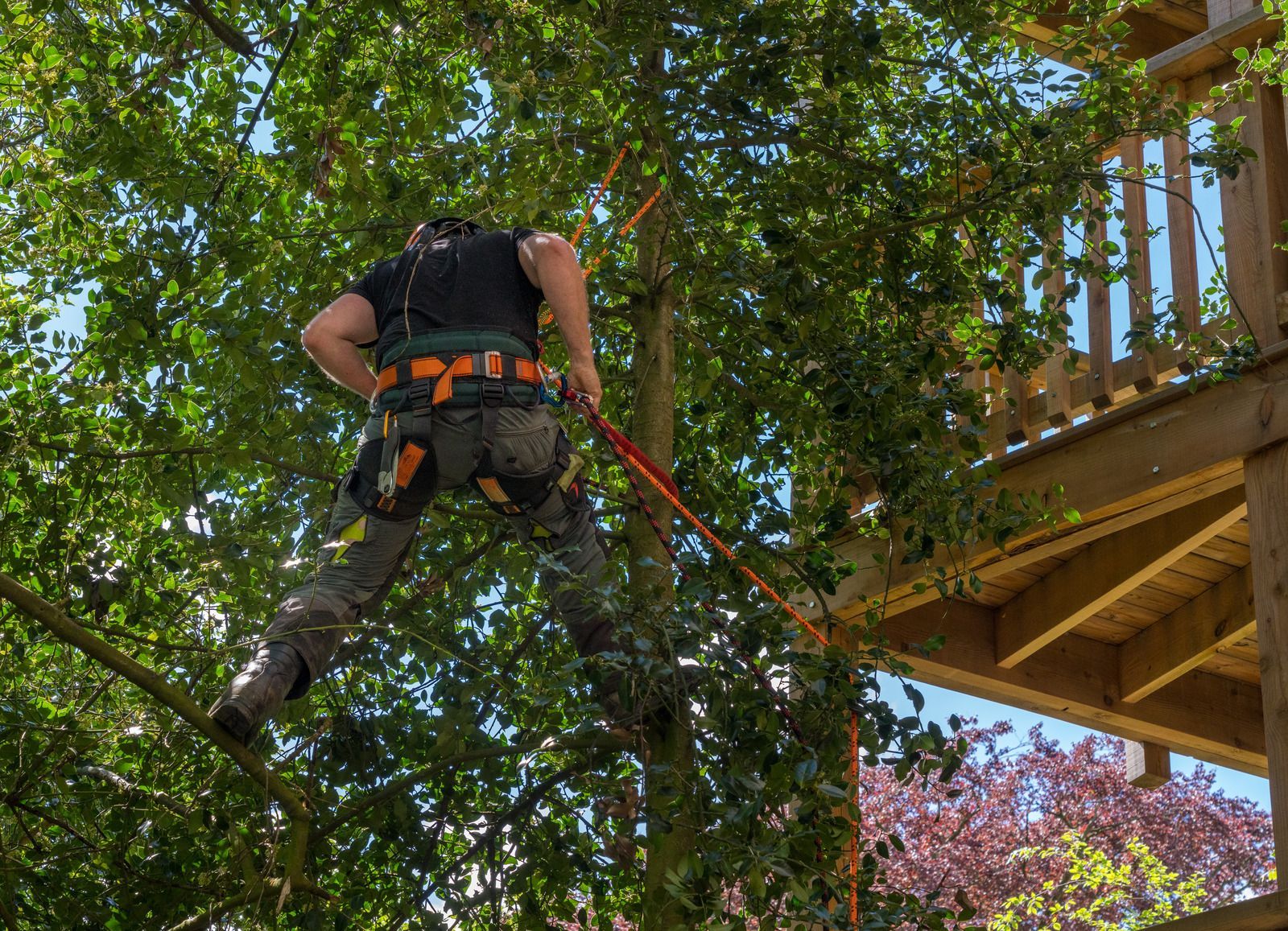
Selective pruning reduces canopy stress and improves balance. Removing dead or overextended branches helps redistribute structural load and reduces failure risk during high winds, storms, and heavy rainfall events. Proper pruning techniques also enhance airflow and reduce disease susceptibility within dense canopy areas.
Soil and Root Zone Improvement
Healthy root systems depend on proper aeration, drainage, and nutrient balance. Soil conditioning techniques can significantly improve stability in borderline cases where root health remains viable, while also supporting long-term regeneration capacity and reducing environmental stress on foundational structures.
Support Systems and Reinforcement Methods
Cabling and bracing systems provide mechanical support for structurally weak trees. These solutions are effective when applied before complete failure occurs and are regularly monitored for effectiveness, ensuring that load distribution remains balanced and structural movement stays within safe limits during changing environmental conditions.
Monitoring and Reassessment Cycles
Borderline trees require ongoing evaluation. Conditions can change seasonally, making periodic reassessment essential to ensure continued safety and preservation viability. Monitoring also helps identify new risk developments early, allowing timely intervention adjustments before structural conditions worsen significantly over time.
Precision Led Strategies For Tree Preservation Decisions
Borderline tree cases require structured evaluation rather than assumptions based on appearance alone. A balanced decision framework considers structural integrity, environmental contribution, risk exposure, and long-term sustainability. Preservation remains valuable when recovery is realistic and safety can be maintained, while removal becomes necessary when risks exceed manageable limits. The key lies in accurate assessment and timely action, supported by consistent monitoring and expert insight.
Ivan's Tree Removal Services operates with a strong commitment to responsible tree management decisions supported by 30 years of field experience in tree service across Covington, Washington. Each situation is approached with a detailed understanding of structural behavior, environmental impact, and safety requirements that influence borderline cases. The focus remains on delivering clarity where uncertainty exists, ensuring that every recommendation is backed by careful inspection and practical reasoning.
Our approach emphasizes long-term property safety while respecting the ecological importance of mature trees. We evaluate each condition with attention to hidden risks that may not be visible during initial observation. This allows us to distinguish between trees that can be preserved through corrective methods and those that require removal to prevent future hazards. Our experience in complex tree scenarios helps us deliver outcomes that support safety, sustainability, and informed property management decisions without compromise.